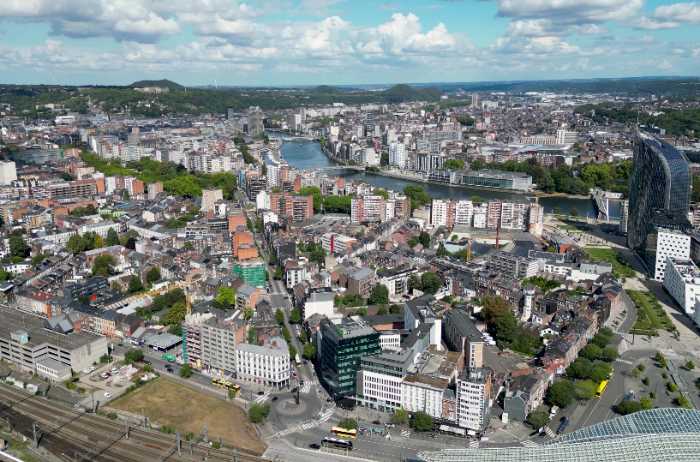
Liège
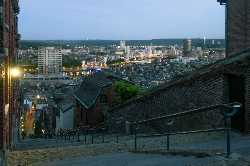
Liège is one of Belgium’s most characterful and energetic cities, located in the French-speaking region of Wallonia along the River Meuse. With a history stretching back over a thousand years, it has long been a place of independence, industry and strong local identity. Visitors quickly notice that Liège feels different from Brussels or Bruges — less polished perhaps, but lively, authentic and full of stories. In the Middle Ages, Liège was ruled by powerful prince-bishops who governed the Prince-Bishopric of Liège, a semi-independent state within the Holy Roman Empire. This long period of religious and political influence shaped the city’s historic centre. Although much was damaged during wars and later industrial expansion, impressive landmarks remain. The grand Place Saint-Lambert marks the historic heart of the city, where the vast Cathedral of Saint-Lambert once stood before being destroyed during the Liège Revolution in 1789. One of the city’s most famous sights is the dramatic Montagne de Bueren, a steep staircase of 374 steps climbing the hillside. Built in the 19th century for soldiers to move quickly between the citadel and the city centre, it now rewards visitors with one of the best panoramic views over Liège’s rooftops and church towers. Liège became one of continental Europe’s earliest and most important industrial centres during the 19th century. Coal mines, steelworks and arms factories transformed it into an economic powerhouse. This industrial past still shapes the city’s identity — proud, hardworking and independent. While heavy industry has declined, new cultural projects and modern architecture signal renewal. The striking Liège-Guillemins railway station, designed by Spanish architect Santiago Calatrava, is a symbol of this transformation. Its sweeping white steel and glass structure contrasts beautifully with the older streets nearby. Despite its industrial image, Liège is also known for culture and celebration. It hosts lively festivals, markets and student life, thanks to the University of Liège, founded in 1817. The historic quarter of Outremeuse, on an island in the Meuse, is famous for its folkloric traditions and summer festivities. Food lovers will enjoy local specialities. The city is famous for the sweet, caramelised Liège waffle, richer and denser than the Brussels version. Traditional cafés serve boulets à la liégeoise (meatballs in a sweet-sour sauce) and local beers that reflect Wallonia’s brewing heritage. Today, Liège combines medieval roots, industrial history and modern creativity. It may not be Belgium’s most obvious tourist destination, but those who explore it discover a city with personality — proud of its past, lively in the present, and confidently shaping its future.
What to see in Liège
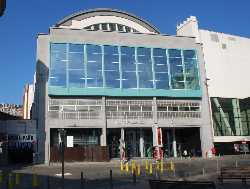 Arts Center
Waroux Castle
Arts Center
Waroux Castle
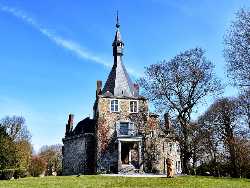 Castle
Chateau Colonster
Castle
Chateau Colonster
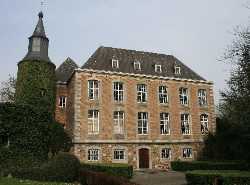 Castle
Château de Wégimont
Castle
Château de Wégimont
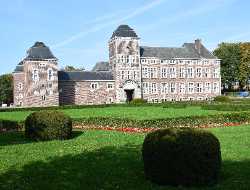 Castle
Saint Paul’s Cathedral
Castle
Saint Paul’s Cathedral
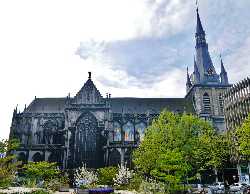 Cathedral
Church Saint‑Jacques
Cathedral
Church Saint‑Jacques
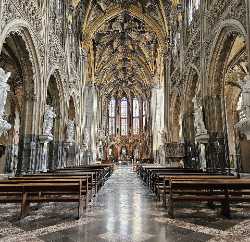 Church
Collegiate Church of Saint Bartholomew
Church
Collegiate Church of Saint Bartholomew
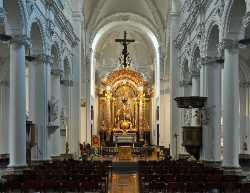 Church
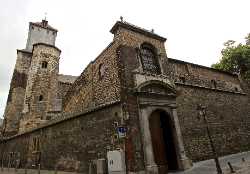
Collegiate Church of Saint Denis
Church
Collegiate Church of Saint Denis
 Church
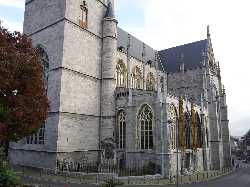
Saint Martin’s Basilica
Church
Saint Martin’s Basilica
 Church
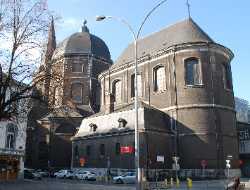
Collegiate Church of Saint John the Evangelist
Church
Collegiate Church of Saint John the Evangelist
 Church
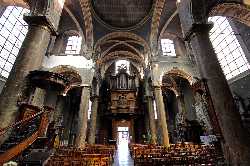
Saint Anthony and Saint Catherine’s Church
Church
Saint Anthony and Saint Catherine’s Church
 Church
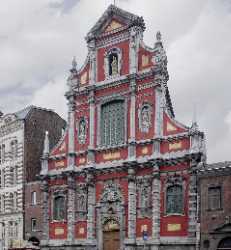
 of Our Lady of the Immaculate Conception
Church
Church of Our Lady of the Immaculate Conception
 Church
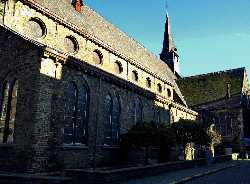
St. Christopher Church
Church
St. Christopher Church
 Church
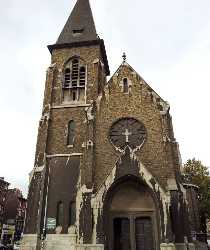
 of Saint Foillan
Church
Church of Saint Foillan
 Church
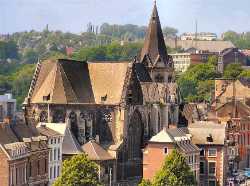
Collegiate Church of the Holy Cross
Church
Collegiate Church of the Holy Cross
 Church
Fort Flémalle
Church
Fort Flémalle
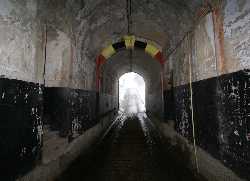 Fortress
Fort de Lantin
Fortress
Fort de Lantin
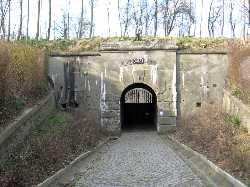 Fortress
Loncin Fortress
Fortress
Loncin Fortress
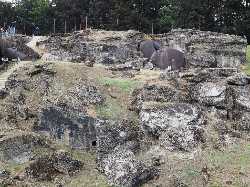 Fortress
Fort de la Chartreuse
Fortress
Fort de la Chartreuse
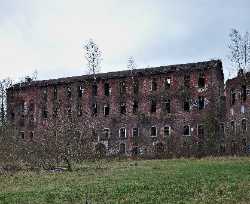 Fortress
Citadel of Liège
Fortress
Citadel of Liège
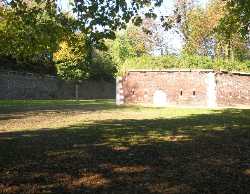 Historical Landmark
Interallied Memorial of Cointe
Historical Landmark
Interallied Memorial of Cointe
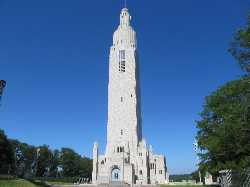 Memorial
La Boverie
Memorial
La Boverie
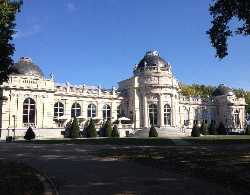 Museum
Le Grand Curtius Museum
Museum
Le Grand Curtius Museum
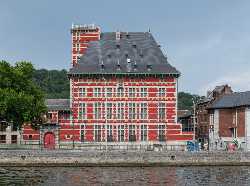 Museum
 of Walloon Life
Museum
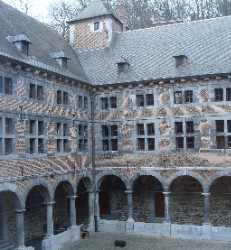
Museum of Walloon Life
 Museum
Aquarium-Museum of Liège
Museum
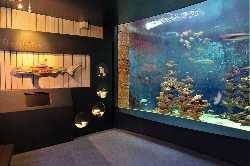
Aquarium-Museum of Liège
 Museum
Musée en plein air du Sart‑Tilman
Museum
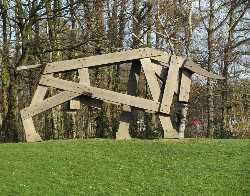
Musée en plein air du Sart‑Tilman
 Museum
Maison de la Metallurgie & de L'industrie
Museum
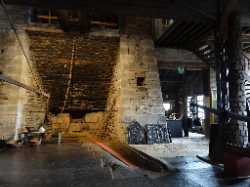
Maison de la Metallurgie & de L'industrie
 Museum
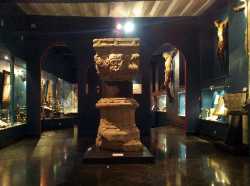
Treasury of Liège Cathedral
Museum
Treasury of Liège Cathedral
 Museum
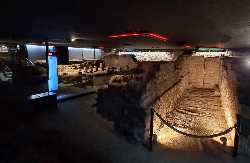
Archéoforum
Museum
Archéoforum
 Museum
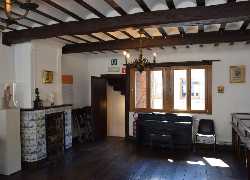
Musée Grétry
Museum
Musée Grétry
 Museum
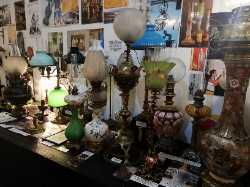
Musée Liégeois du Luminaire
Museum
Musée Liégeois du Luminaire
 Museum
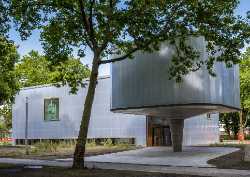
Trinkhall Museum
Museum
Trinkhall Museum
 Museum
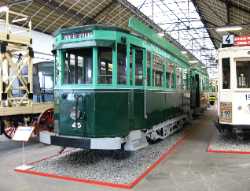
 of public transport in Wallonia
Museum
Museum of public transport in Wallonia
 Museum
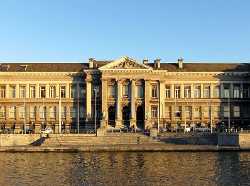
House of Science
Museum
House of Science
 Museum
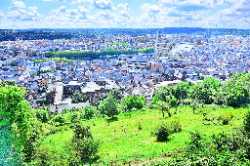
Belvédère de Liège
Museum
Belvédère de Liège
 Observation deck
Palace of the Prince-Bishops
Observation deck
Palace of the Prince-Bishops
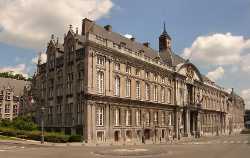 Palace
Théâtre de Liège
Palace
Théâtre de Liège
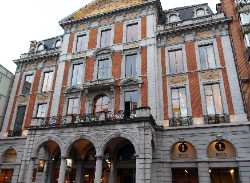 Theatre
Comédie en île
Theatre
Comédie en île
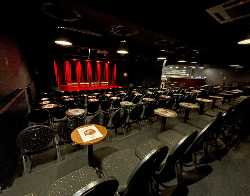 Theatre
Théâtre de l'Etuve
Theatre
Théâtre de l'Etuve
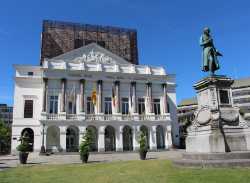 Theatre
Montagne de Bueren
Theatre
Montagne de Bueren
 Tourist attraction