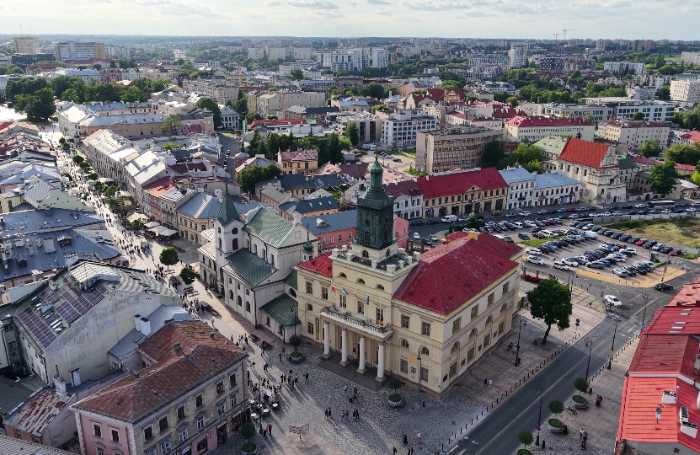
Lublin
While the traveler’s compass in Poland often points toward the medieval majesty of Krakow or the coastal charm of Gdańsk, those who venture east find themselves in Lublin. Known as the "City of Inspiration," Lublin is a place where the Latin West once shook hands with the Byzantine East. It is a city of layers, where 700 years of history are stacked atop one another in a labyrinth of limestone and brick, creating an atmosphere that is as intellectually stimulating as it is hauntingly beautiful. The soul of the city resides in its Old Town, arguably the most authentic in Poland. Unlike many of its counterparts, Lublin’s historic core was not entirely leveled during the wars, leaving behind a dense cluster of Renaissance and Baroque townhouses that lean toward each other over narrow, winding alleys. Entering through the Krakow Gate, a 14th-century sentinel that now houses the Museum of City History, feels like a deliberate departure from the 21st century. The air here is different—scented with roasted coffee from cellar cafes and the faint, cool dampness of ancient stone. Dominating the skyline is the Lublin Castle, a white neo-Gothic fortress that sits atop a hill like a crown. Within its walls lies the city’s greatest treasure: the Holy Trinity Chapel. To step inside is to witness a miraculous cultural collision. The walls are covered in vibrant 15th-century Russo-Byzantine frescoes commissioned by King Władysław Jagiełło, set within a purely Gothic architectural frame. It is the visual embodiment of the Union of Lublin (1569), the historic agreement signed in this very city that created the Polish-Lithuanian Commonwealth—one of the largest and most diverse states in European history. Yet, Lublin’s history is also one of profound absence. For centuries, it was known as the "Jerusalem of the Kingdom of Poland," a premier center of Jewish learning and culture. The Grodzka Gate, once the portal between the Christian and Jewish quarters, now serves as the "NN Theatre," a poignant memorial project dedicated to preserving the memory of a community that was almost entirely erased during the Holocaust. A short distance from the city center lies Majdanek, one of the most intact former concentration camps, serving as a somber and necessary reminder of the darkness that once fell over these sun-dappled streets. Today, however, Lublin is far from a somber museum. With five major universities and a massive student population, the city thrums with a youthful, bohemian energy. As the spring of 2026 warms the cobblestones, the squares are beginning to fill with the first street performers and festival preparations. It is a city that remembers its tragedies but chooses to live in its inspirations, offering a quiet, profound beauty to anyone willing to look toward the East.
What to see in Lublin
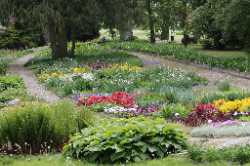 Botanical Garden
Archcathedral of St. John the Baptist and St. John the Evangelist
Botanical Garden
Archcathedral of St. John the Baptist and St. John the Evangelist
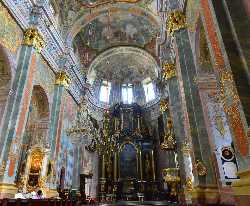 Cathedral
 of the Transfiguration
Cathedral
Cathedral of the Transfiguration
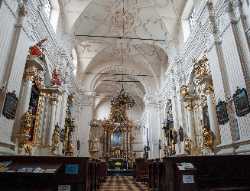
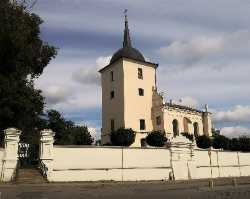 Church
 of St. Joseph
Church
Church of St. Joseph
 Church
 of the Holy Spirit Lublin
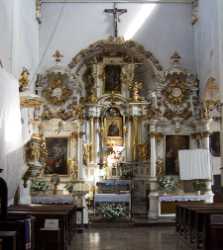
Church
Church of the Holy Spirit Lublin
 Church
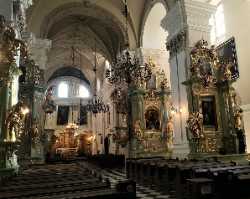
Basilica of St. Stanislaus
Church
Basilica of St. Stanislaus
 Church
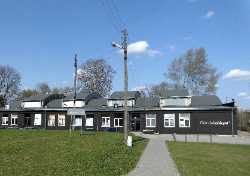
Galeria Labirynt
Church
Galeria Labirynt
 Gallery
Brama Krakowska
Gallery
Brama Krakowska
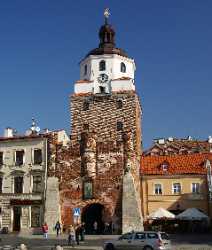 Historical Landmark
Crown Tribunal
Historical Landmark
Crown Tribunal
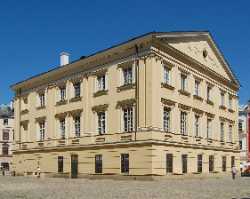 Historical Landmark
Brama Grodzka
Historical Landmark
Brama Grodzka
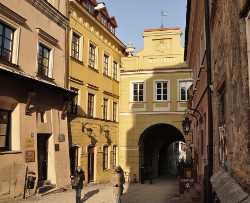 Historical Landmark
Trinitarian Tower
Historical Landmark
Trinitarian Tower
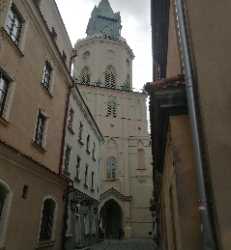 Historical Landmark
The Donjon
Historical Landmark
The Donjon
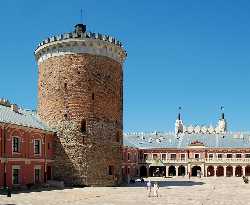 Historical Landmark
Zalew Zemborzycki
Historical Landmark
Zalew Zemborzycki
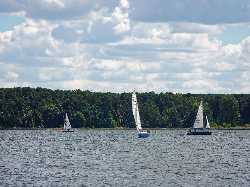 Lake
Grodzka Gate - NN Theatre
Lake
Grodzka Gate - NN Theatre
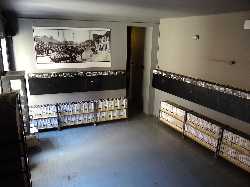 Museum
National Museum in Lublin
Museum
National Museum in Lublin
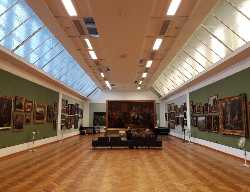 Museum
Józef Czechowicz Literary Museum
Museum
Józef Czechowicz Literary Museum
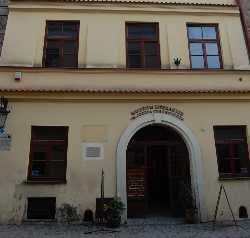 Museum
 of Martyrdom “Pod Zegarem”
Museum
Museum of Martyrdom “Pod Zegarem”
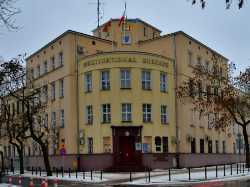 Museum
Muzeum Wsi Lubelskiej
Museum
Muzeum Wsi Lubelskiej
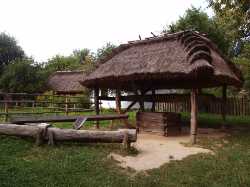 Museum
State Museum at Majdanek
Museum
State Museum at Majdanek
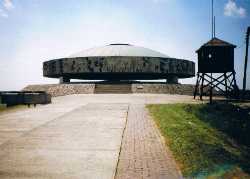 Museum
 of the Catholic University of Lublin
Museum
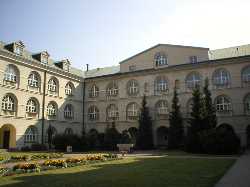
Museum of the Catholic University of Lublin
 Museum
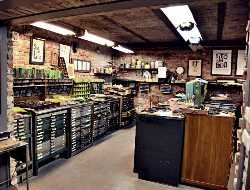
Izba Drukarstwa
Museum
Izba Drukarstwa
 Museum
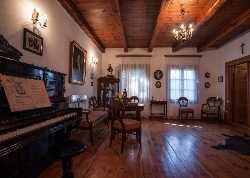
Dworek Wincentego Pola
Museum
Dworek Wincentego Pola
 Museum
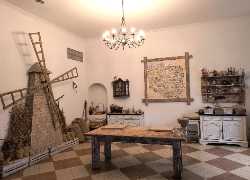
Regional Museum of Cebularz
Museum
Regional Museum of Cebularz
 Museum
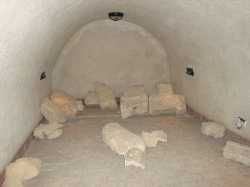
Lublin Underground Route
Museum
Lublin Underground Route
 Museum
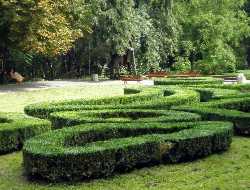
Ogród Saski
Museum
Ogród Saski
 Park
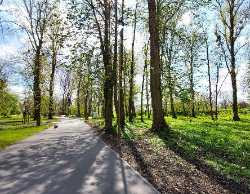
Park Ludowy
Park
Park Ludowy
 Park
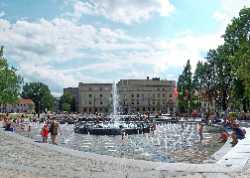
Plac Litewski
Park
Plac Litewski
 Square
Teatr Muzyczny w Lublinie
Square
Teatr Muzyczny w Lublinie
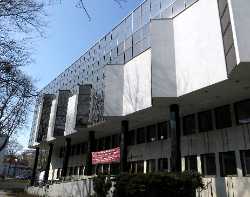 Theatre
Teatr im. Hansa Christiana Andersena
Theatre
Teatr im. Hansa Christiana Andersena
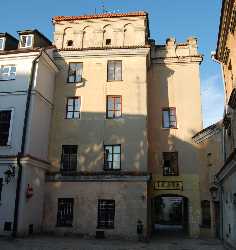 Theatre
Teatr Stary
Theatre
Teatr Stary
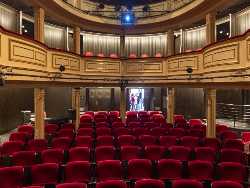 Theatre
Teatr im. Juliusza Osterwy
Theatre
Teatr im. Juliusza Osterwy
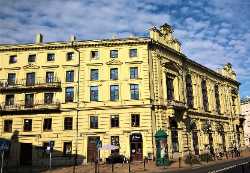 Theatre